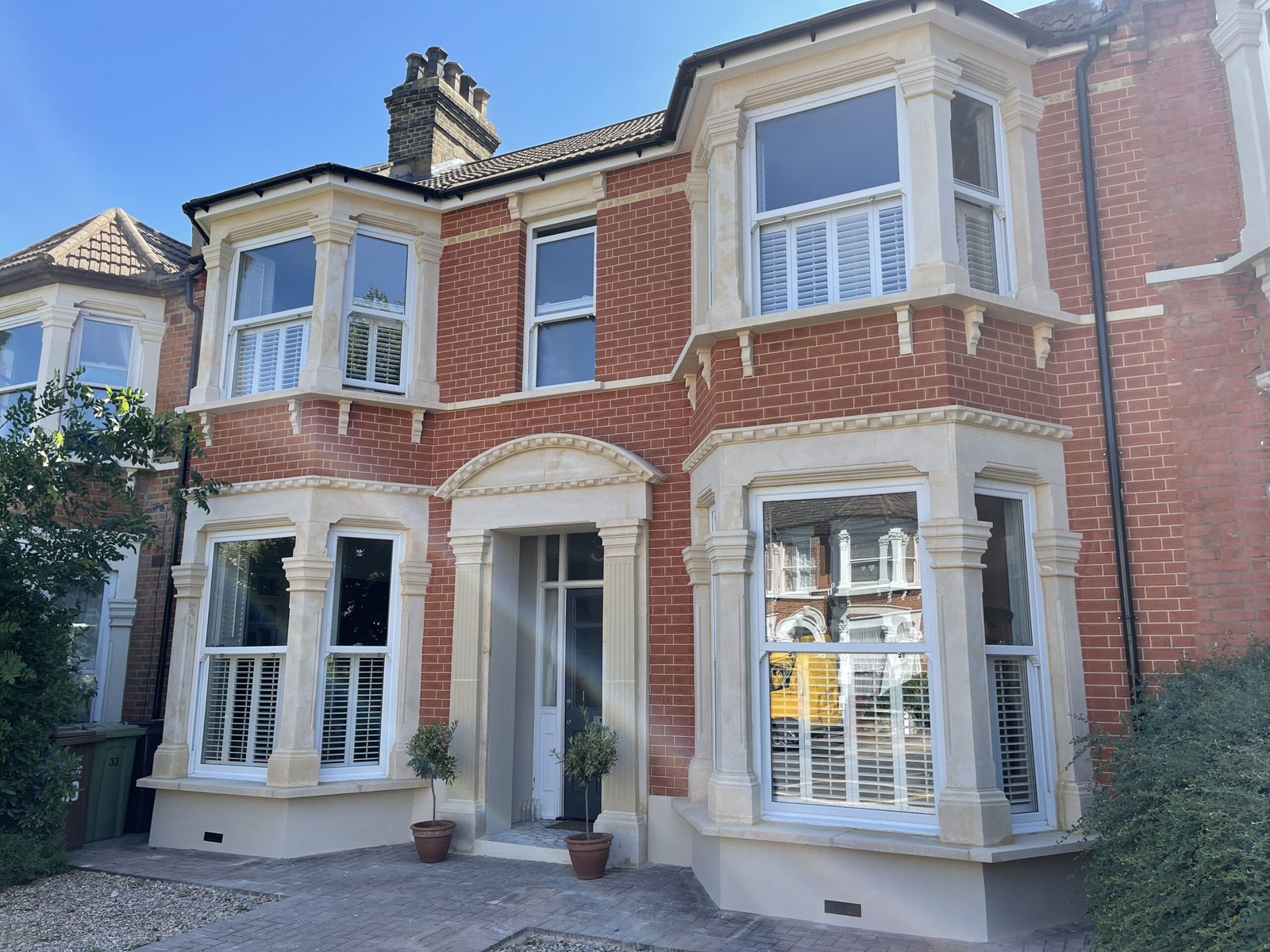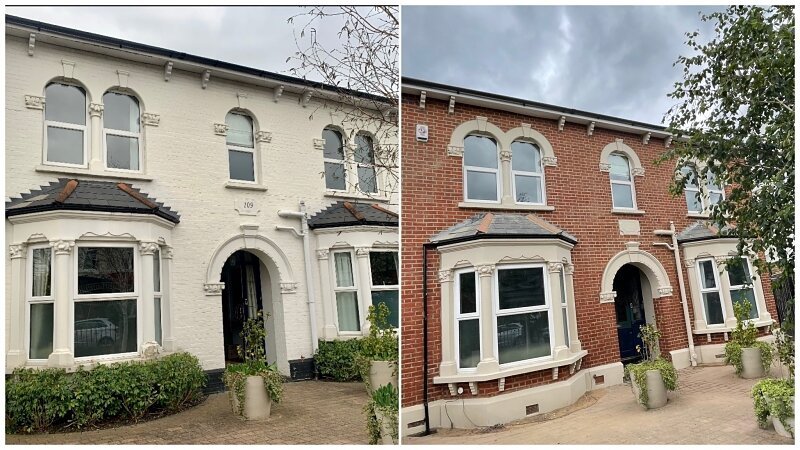
Brickwork is one of the most attractive and durable features of a property, especially across London where Victorian and Edwardian homes showcase beautiful original brick façades. However, exposure to pollution, weather, algae, paint, and construction residue can leave brickwork looking stained and aged.
If you are researching brick cleaning methods, understanding the correct technique is essential — because using the wrong method can permanently damage bricks.
In this expert guide, TW Brick Cleaning London explains the safest and most effective brick cleaning methods used by professionals, when each method should be used, and how to choose the right approach for your property.
Why Choosing the Right Brick Cleaning Method Matters
Not all bricks are the same.
London properties commonly use London stock bricks, which are softer and more porous than modern bricks. Incorrect cleaning methods can:
❌ Remove the protective brick surface
❌ Cause erosion or scarring
❌ Damage mortar joints
❌ Lead to damp problems
❌ Reduce property value
Professional cleaning focuses on restoration, not aggression.
The Main Types of Brick Staining
Before selecting a cleaning method, specialists identify what needs removing:
- Pollution and carbon staining
- Moss and algae growth
- Paint and coatings
- Cement or mortar splashes
- Efflorescence (white salts)
- General weathering
Each stain requires a different solution.
✅ Best Brick Cleaning Methods Used by Professionals
1️⃣ DOFF Steam Cleaning (Most Recommended Method)
What Is DOFF Cleaning?
DOFF cleaning uses superheated steam (up to 150°C) delivered at low pressure to clean brick surfaces safely.
Best For:
- Historic buildings
- Victorian brickwork
- Algae and biological growth
- Pollution staining
- Listed properties
Benefits:
✔ Gentle on bricks
✔ Kills algae spores
✔ No harsh chemicals
✔ Minimal water saturation
✔ Environmentally friendly
This is one of the safest methods for older London homes.
2️⃣ TORC / Gentle Abrasive Cleaning
This system uses a controlled swirl of air, water, and very fine inert media.
Best For:
- Heavy staining
- Paint residue
- Carbon deposits
Benefits:
✔ Controlled cleaning action
✔ Adjustable pressure
✔ Suitable for restoration projects
⚠ Must only be performed by trained professionals to avoid surface damage.
3️⃣ Chemical Brick Cleaning
Professional chemical solutions dissolve stubborn contaminants.
Used For:
- Masonry paint removal
- Cement staining
- Deep discoloration
Important:
Professional-grade chemicals are carefully neutralised after use to prevent brick damage.
DIY acid cleaning is one of the most common causes of brick deterioration.
4️⃣ Low-Pressure Washing
Unlike household pressure washers, professional systems use controlled low pressure.
Best For:
- Light dirt removal
- Modern brick properties
- Pre-treatment cleaning
Why Low Pressure Matters:
High-pressure washing can strip brick faces and damage mortar joints.
5️⃣ Poultice Cleaning (Specialist Method)
A paste-like material is applied to draw stains out of brick pores.
Best For:
- Oil stains
- Deep-set discoloration
- Sensitive stonework
This method is slower but extremely effective for targeted restoration.
Methods That Should Be Avoided
Many online guides recommend unsafe techniques.
❌ Sandblasting
Too aggressive for most brick types and causes permanent scarring.
❌ High-Pressure Jet Washing
Can erode mortar and weaken brick structure.
❌ Acid Washing Without Experience
Often leads to staining and long-term damage.
Older London bricks require specialist knowledge.
How Professionals Choose the Right Method
At TW Brick Cleaning London, selection depends on:
- Brick age and type
- Mortar condition
- Type of staining
- Property location
- Desired finish
Often, multiple methods are combined for the best result.
Brick Cleaning for Different London Property Types
Victorian & Edwardian Homes
Require gentle steam or specialist cleaning due to soft bricks.
Painted Brick Properties
Need paint removal before cleaning begins.
Modern Developments
May tolerate slightly stronger cleaning techniques.
How Long Does Brick Cleaning Take?
Typical timeframes:
| Property Type | Duration |
| Small terrace | 1–3 days |
| Semi-detached | 3–5 days |
| Detached property | 5–7 days |
Weather and access can affect timelines.
Benefits of Professional Brick Cleaning
Professional brick cleaning provides:
✅ Restored natural colour
✅ Increased kerb appeal
✅ Improved property value
✅ Removal of harmful contaminants
✅ Longer brick lifespan
Many homeowners are surprised how dramatically cleaning transforms their property appearance.
DIY vs Professional Brick Cleaning
| DIY Cleaning | Professional Cleaning |
| Risk of damage | Safe techniques |
| Incorrect chemicals | Specialist solutions |
| Uneven finish | Consistent results |
| Short-term fix | Long-lasting restoration |
Professional cleaning protects your investment.
Frequently Asked Questions
What is the safest brick cleaning method?
Steam cleaning is often safest for older brickwork because it cleans without abrasion.
Can brick cleaning remove paint?
Yes, specialist systems and chemicals can remove masonry paint safely.
Does brick cleaning cause damp?
No — professional methods actually help prevent moisture issues by removing contaminants trapping moisture.
How often should brickwork be cleaned?
Typically every 15–25 years depending on exposure to pollution and weather.
Why Choose TW Brick Cleaning London?
We specialise in safe, professional brick restoration across London.
Our services include:
- Brick Cleaning
- Paint Removal
- Pebble Dash Removal
- Mortar Cleaning
- Brick Restoration
We tailor cleaning methods to each property to ensure long-term protection and the best visual results.
Get Expert Brick Cleaning Advice in London
If you’re considering restoring your brickwork, we’re happy to help.
📞 Call: 07520 653 577
📧 Email: info@twbrickcleaning.co.uk
Final Thoughts
The best brick cleaning method depends entirely on the brick type and the problem being addressed. Professional assessment ensures safe cleaning that enhances appearance while preserving structural integrity.
Choosing the right method is the difference between restoration and damage — which is why professional expertise matters.