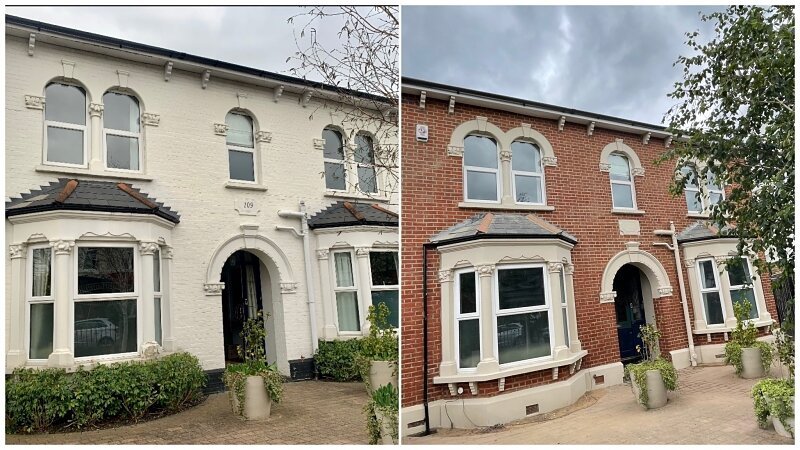
Brickwork is designed to last for decades, often more than a century, but the mortar holding those bricks together naturally deteriorates over time. In London and across the UK, constant exposure to rain, frost, pollution, and seasonal temperature changes can gradually weaken mortar joints, leaving your property vulnerable to water ingress, structural movement, and expensive repairs.
Repointing is the process of removing damaged or crumbling mortar and replacing it with fresh mortar to restore both the appearance and structural integrity of masonry.
Knowing the early warning signs that your brickwork needs repointing can save you thousands in long-term restoration costs while protecting your home or commercial property from serious deterioration.
In this guide, we’ll explain the most common signs of mortar failure, why repointing is essential, expected costs, and how TW Brick Cleaning can help restore your property safely and professionally.
What Is Repointing?
Repointing involves carefully removing deteriorated mortar from between bricks and replacing it with new mortar that matches the original structure.
The Purpose of Repointing:
- Strengthens brickwork
- Prevents water penetration
- Restores structural stability
- Improves exterior appearance
- Extends building lifespan
- Protects against frost damage
- Preserves period and heritage properties
Mortar is often the weakest component in brickwork, which is intentional—it protects the bricks themselves by absorbing weathering first.
Why Mortar Deteriorates Over Time
Several environmental and structural factors contribute to mortar failure.
Common Causes Include:
- Rainwater erosion
- Frost and freeze-thaw cycles
- Air pollution
- Salt deposits
- Poor previous repairs
- Incompatible mortar mixes
- Structural movement
- Damp conditions
- Age-related wear
In cities like London, pollution and weather exposure can accelerate this process significantly.
Top Signs Your Brickwork Needs Repointing
Recognising these warning signs early can prevent costly structural repairs.
1. Crumbling or Missing Mortar
One of the clearest indicators is visible mortar erosion.
Look For:
- Gaps between bricks
- Powdery mortar falling away
- Loose mortar fragments on the ground
- Recessed joints deeper than surrounding brick faces
If mortar can be easily scraped away, repointing is likely necessary.
2. Cracks in Mortar Joints
Cracked mortar allows moisture to penetrate brickwork.
Risks:
- Water ingress
- Internal damp problems
- Frost expansion
- Structural instability
Even small cracks can worsen rapidly if left untreated.
3. Damp Patches or Water Penetration
Failed mortar joints often allow rainwater into walls.
Common Symptoms:
- Damp interior walls
- Mould growth
- Peeling paint indoors
- Efflorescence (white salts)
- Cold spots on internal walls
Water damage can compromise insulation and property health.
4. Loose or Shifting Bricks
As mortar weakens, bricks may begin moving or loosening.
Warning Signs:
- Bricks wobble when touched
- Visible wall bulging
- Uneven brick courses
- Structural cracks
This can quickly become a serious safety issue.
5. Visible Gaps Around Windows or Doors
Mortar failure near openings often appears first due to movement stress.
Signs Include:
- Separation cracks
- Frame movement
- Draughts
- Water leaks
These areas should be assessed promptly.
6. White Salt Deposits (Efflorescence)
Efflorescence occurs when moisture moves through brickwork, leaving salts behind.
This Often Indicates:
- Excess moisture penetration
- Poor mortar integrity
- Damp retention
- Potential hidden damage
While surface salts can be cleaned, the underlying moisture issue often requires repointing.
7. Moss, Algae, or Plant Growth in Joints
Vegetation growing between bricks suggests prolonged moisture retention.
Risks Include:
- Accelerated mortar breakdown
- Root penetration
- Structural expansion
- Damp issues
Organic growth is both a cosmetic and structural warning sign.
8. Chimney Mortar Deterioration
Chimneys are especially vulnerable due to extreme weather exposure.
Signs:
- Cracked joints
- Falling mortar
- Leaning stacks
- Water leaks near fireplaces
Chimney repointing often prevents dangerous structural failures.
Why Repointing Shouldn’t Be Delayed
Ignoring deteriorated mortar can lead to:
- Brick replacement costs
- Structural wall repairs
- Damp remediation
- Internal plaster damage
- Heat loss
- Reduced property value
- Heritage damage
Early repointing is significantly more affordable than major restoration.
Repointing Costs in London (2026)
Average Repointing Costs:
| Service Type | Average Cost |
|---|---|
| Small wall repointing | £800 – £2,000 |
| Front house facade | £2,500 – £6,000 |
| Full house repointing | £6,000 – £20,000+ |
| Chimney repointing | £800 – £3,500 |
| Heritage lime mortar repointing | £60 – £150 per m² |
Factors Affecting Cost:
- Property size
- Accessibility
- Scaffold requirements
- Mortar type
- Heritage regulations
- Extent of damage
Modern Mortar vs Traditional Lime Mortar
Choosing the correct mortar is critical.
Lime Mortar:
- Breathable
- Flexible
- Ideal for period properties
- Prevents trapped moisture
Cement Mortar:
- Stronger
- Suitable for some modern buildings
- Can damage historic brick if misused
Using incorrect mortar can cause future brick failure.
Repointing and Brick Cleaning Together
Many homeowners combine repointing with professional brick cleaning for full exterior restoration.
Benefits:
- Improved visual appearance
- Better mortar adhesion
- Removal of dirt and pollutants
- Increased property value
- Complete facade renewal
TW Brick Cleaning offers comprehensive restoration packages including cleaning, repairs, and repointing.
DIY Repointing vs Professional Repointing
DIY Risks:
- Incorrect mortar matching
- Uneven finish
- Brick damage
- Water penetration issues
- Structural concerns
Professional Advantages:
- Correct mortar selection
- Structural assessment
- Heritage compliance
- Long-lasting workmanship
- Insurance protection
For most properties, professional repointing is strongly recommended.
Why Choose TW Brick Cleaning?
TW Brick Cleaning specialises in expert masonry restoration across London and surrounding areas.
Our Repointing Services Include:
- Brick repointing
- Chimney repointing
- Lime mortar restoration
- Brick repairs
- Paint removal
- Brick cleaning
- Pebble dash removal
- Heritage property restoration
Why Clients Choose Us:
- Skilled restoration specialists
- Competitive pricing
- Fully insured services
- Residential and commercial expertise
- Heritage property experience
- High-quality workmanship
- Free surveys and honest advice
We focus on restoring brickwork safely while preserving your property’s long-term structural integrity.
Final Thoughts
Your mortar joints are essential to the health and longevity of your property. Crumbling mortar, cracks, damp, loose bricks, and visible joint erosion are all signs that your brickwork may need professional repointing.
Addressing these warning signs early can prevent extensive damage, preserve property value, and protect your home from costly future repairs.
If you’ve noticed signs of mortar deterioration, now is the ideal time to schedule a professional assessment.
Contact TW Brick Cleaning Today
For expert repointing, brick cleaning, masonry restoration, and heritage brickwork services in London, contact TW Brick Cleaning today for a free consultation and tailored quote.
Protect your brickwork. Restore structural strength. Preserve your property for decades to come.